
Testland
Page 2 of 2
Chaos Engineering for Testers: Getting Started
Chaos engineering for QA engineers: define steady state, write a hypothesis, and run a fault-injection experiment with Playwright and Toxiproxy.
TestlandMay 23, 2026
Playwright vs Cypress vs Selenium: 2026 Edition
Playwright vs Cypress vs Selenium in 2026: browser architecture, parallelism costs, AI test features, and a framework pick by team and language.
TestlandMay 18, 2026
How to Organize Regression Testing for Web Apps
Build a regression suite that scales for web apps: scope by change impact, tier by speed, split fast PR runs from nightly soaks, quarantine flaky tests.
TestlandMay 1, 2026
Setting up Playwright with TypeScript from scratch
Set up Playwright with TypeScript step by step. Covers project creation, configuration, writing your first test, and adding GitHub Actions CI integration.
TestlandFebruary 13, 2026
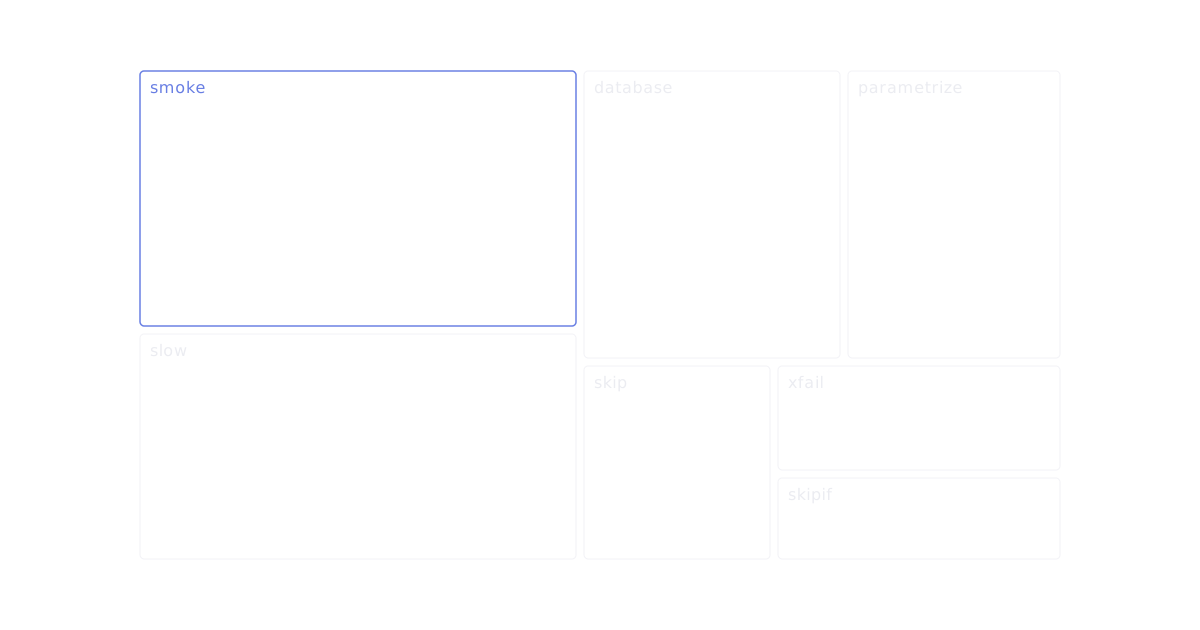
pytest markers: organize and filter your tests
Use pytest markers to organize tests into groups and run specific subsets. Covers built-in markers, custom markers, and CLI filtering options.
TestlandFebruary 7, 2026
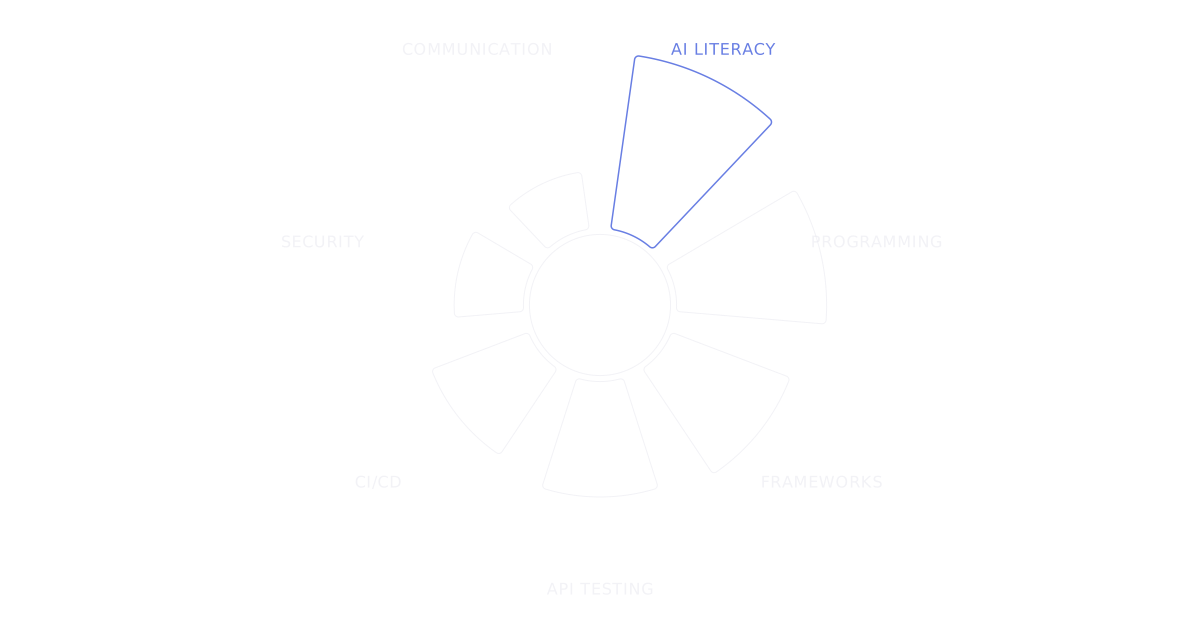
7 skills every QA engineer needs in 2026
The QA role is evolving fast. Here are 7 skills that separate competitive QA engineers from those getting left behind in 2026.
TestlandJanuary 25, 2026
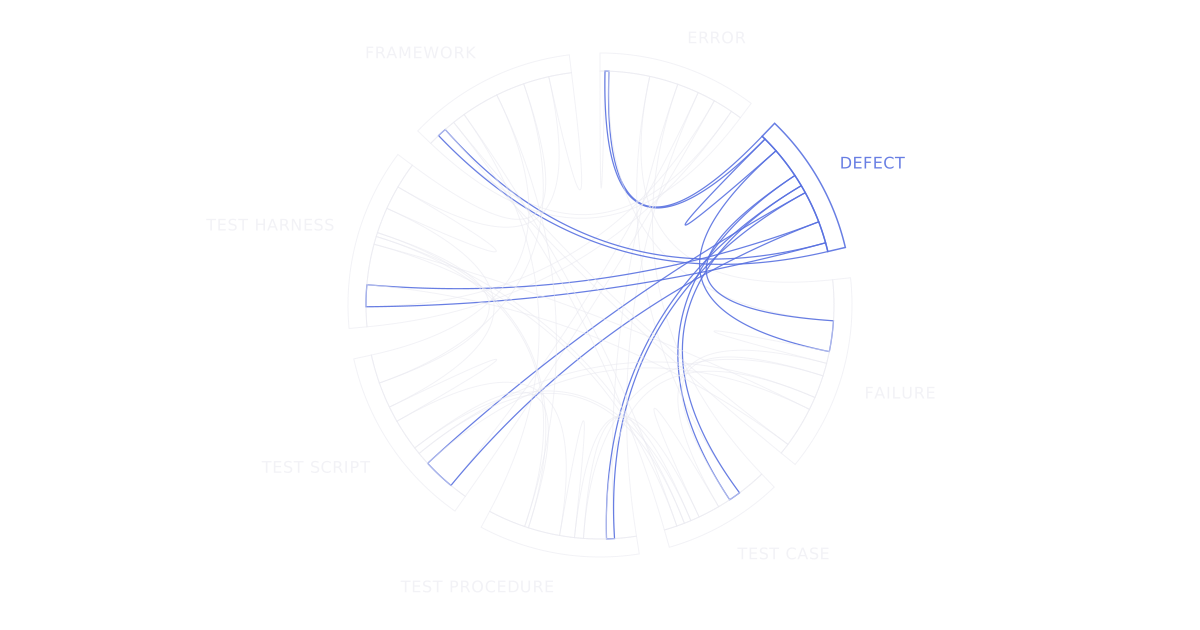
The ISTQB glossary belongs in every QA engineer's toolkit
ISTQB certification is optional, but knowing standardized testing terminology helps QA teams communicate clearly. Here's why the glossary matters.
TestlandJanuary 23, 2026
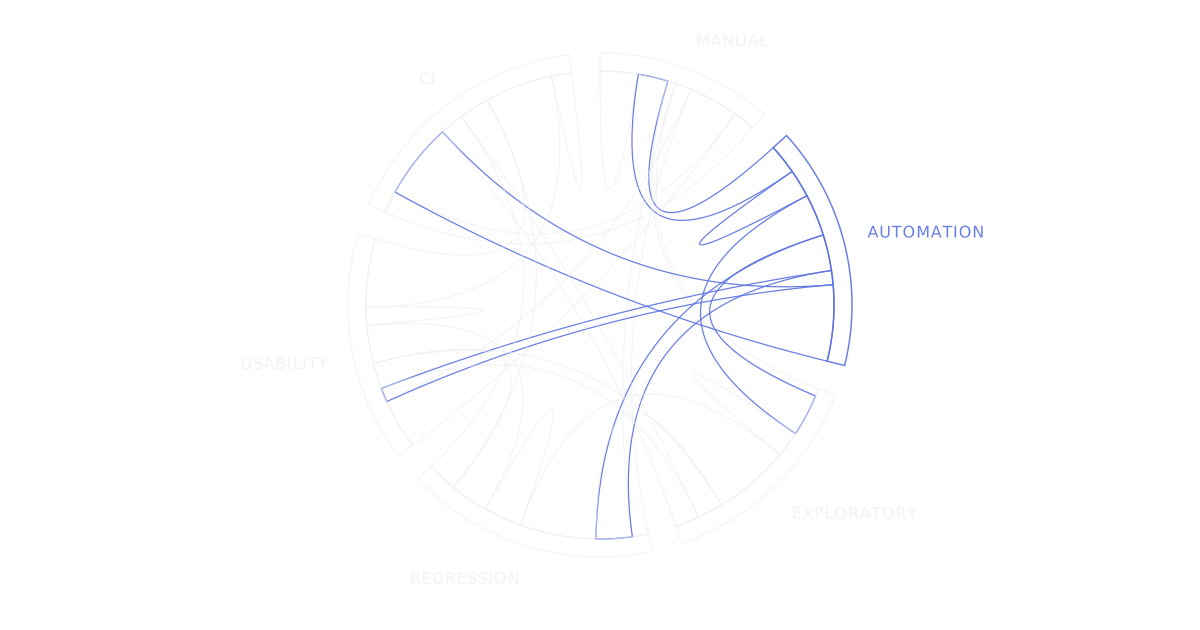
Manual and automation QA engineers: how to work together effectively
How manual testers and automation engineers can collaborate effectively. Practical patterns for breaking down silos and building unified QA teams.
TestlandJanuary 21, 2026
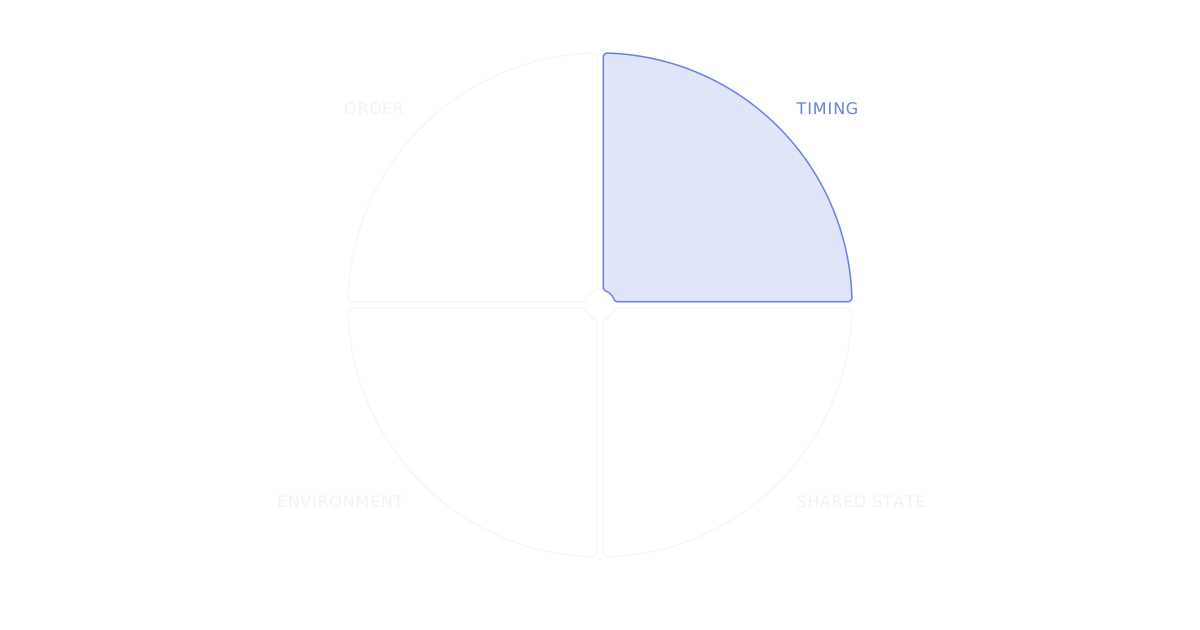
Fixing flaky tests: a systematic approach
Identify, categorize, and fix flaky tests with a repeatable four-step process. Includes code examples for timing issues and shared state problems.
TestlandJanuary 17, 2026